Keqiutou Neolithic Site
Introduction
The Keqiutou Neolithic Site, located on Pingtan Island in Fujian province, is a significant archaeological complex that has been shedding light on the prehistoric era along China's southeastern coast. The site has been pivotal in providing insights into the Neolithic period, particularly concerning the Austronesian populations that once inhabited the region. This site is part of a broader group that includes the Xiying, Donghuaqiu and Guishan sites, each contributing unique cultural and historical information dating back approximately 6,500 to 7,300 years. The archaeological findings at Keqiutou have revealed a wealth of information about early settlement patterns, subsistence strategies and the broader dynamics of cultural and ethnic evolution in the region.
Historical Background
The Keqiutou site is an essential part of the study of Neolithic cultures in southeastern China. The discoveries at this site date back to a period between 3,000 and 7,500 years ago, aligning with the timeline of early Austronesian migrations. This era marks a transformative phase in prehistory when communities shifted from nomadic lifestyles to more settled agricultural societies. The Austronesian peoples, known for their extensive maritime migrations, are believed to have actively shaped the cultural landscape of the Pacific region. The Keqiutou site offers crucial evidence for understanding the origins and movements of these populations.
Archaeological Findings
Excavation Process
The excavation process at the Keqiutou Neolithic Site has been a meticulous endeavor involving extensive archaeological techniques. The site has been carefully excavated to preserve its valuable historical content, revealing distinct cultural layers and artifacts. The archaeologists employ stratigraphic excavation methods to uncover successive layers of habitation. Each layer has provided different insights into the settlement patterns and daily lives of the ancient Austronesian peoples. The excavation has focused on unearthing various structural features, such as residential areas, food-processing zones and waste dumping sites, indicating a well-organized community layout. These findings have been crucial in reconstructing the socio-economic frameworks of these early societies.
Artifacts Discovered
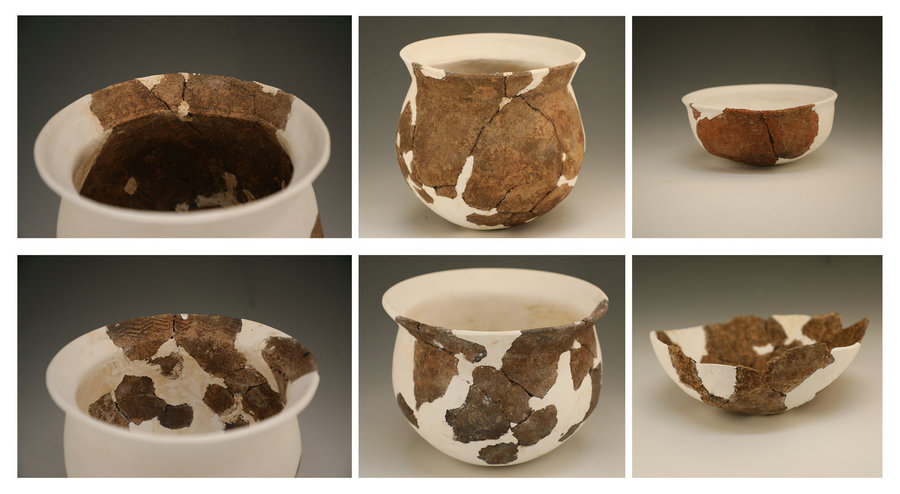
The artifacts uncovered at the Keqiutou site are diverse and illuminate various aspects of Neolithic life. Among the most significant findings are pottery shards, shell mounds, ash pits and human skeletal remains. These artifacts reveal details about the material culture, dietary habits, and burial practices of the Austronesian peoples. Additionally, the discovery of rice and millet remnants offers critical evidence of agricultural practices, suggesting that early inhabitants engaged in both farming and fishing. The presence of marine and terrestrial animal bones further underscores the mixed subsistence strategies of the community. Moreover, the pottery and stone tools found at the site bear striking similarities to those from prehistoric sites in Taiwan province, supporting theories of cultural and migratory connections across the Taiwan Strait.
Significance
Cultural Impact
The Keqiutou site is a cornerstone for understanding the cultural development of early Austronesian populations. The findings highlight the complex interactions between maritime and continental influences on the culture of the region. The artifacts and structural remains suggest a society that was both innovative and adaptable, capable of thriving in diverse ecological environments. The cultural traits observed at Keqiutou, such as the use of pottery and agricultural implements, reflect broader patterns of cultural diffusion and adaptation. These insights into the cultural dynamics of early Austronesian peoples contribute to a more comprehensive understanding of their societal structure and technological advancements.
Contribution to Neolithic Studies
The Keqiutou site has significantly contributed to Neolithic studies by providing a clearer picture of the early Austronesian diaspora and their settlements. The evidence from Keqiutou supports hypotheses regarding the origins and spread of Austronesian languages and cultures. It also enriches the broader narrative of human migration, demonstrating the role of maritime routes in shaping prehistoric human societies. The site's findings have opened new avenues for exploring the cross-cultural interactions that occurred during this period, emphasizing the importance of interdisciplinary studies in unraveling the complex histories of ancient populations.
Preservation and Conservation
Efforts to preserve and conserve the Keqiutou Neolithic Site are paramount to maintaining its historical integrity for future study. Preservation initiatives focus on protecting the site's structural features and artifacts from environmental and human-induced threats. Conservation strategies include stabilizing exposed archaeological layers, controlling site access and employing advanced technologies to document and analyze findings. These efforts ensure that the site remains a valuable resource for ongoing and future research, enabling archaeologists to continue uncovering the rich history embedded within its layers.








